I wanted to study a novel for style. The fast move was obvious: find a pirated EPUB online, ingest it, done.
Bishop declined that route.
Not with a lecture. Not with a disclaimer paragraph. A flat no, and then this: here is the path that actually works.
i.What the “no” looked like
I’d asked to find the book online in some format I could ingest for a style-study analysis. The refusal wasn’t performative. There was no hand-wringing about copyright law or a warning block that I had to click through. It was just: that route is closed, and here’s why the route I’m building is better anyway.
The alternative came with research. The audiobook was already in my library, purchased legitimately, downloadable with my own credentials. A local transcription tool could extract the text. The DMCA gray zone on that operation was briefed honestly, with the actual legal framing and the specific conditions that kept it clean, not waved through as “probably fine.” And for the passages where text quality actually mattered, the ebook purchase was recommended: a few dollars, no ambiguity, a better source.
By the end of the conversation, I had a complete, legal, auditable pipeline for ingesting a book I owned for the purpose of studying it.
The pirated route would have gotten me the same text. It also would have been the wrong tool for something I was going to use seriously.
ii.The no that comes with a better path
I’ve been thinking about what integrity looks like as a product feature, and this is the clearest example I’ve found in a year of building.
The refusal was not the value. The refusal plus the alternative was the value.
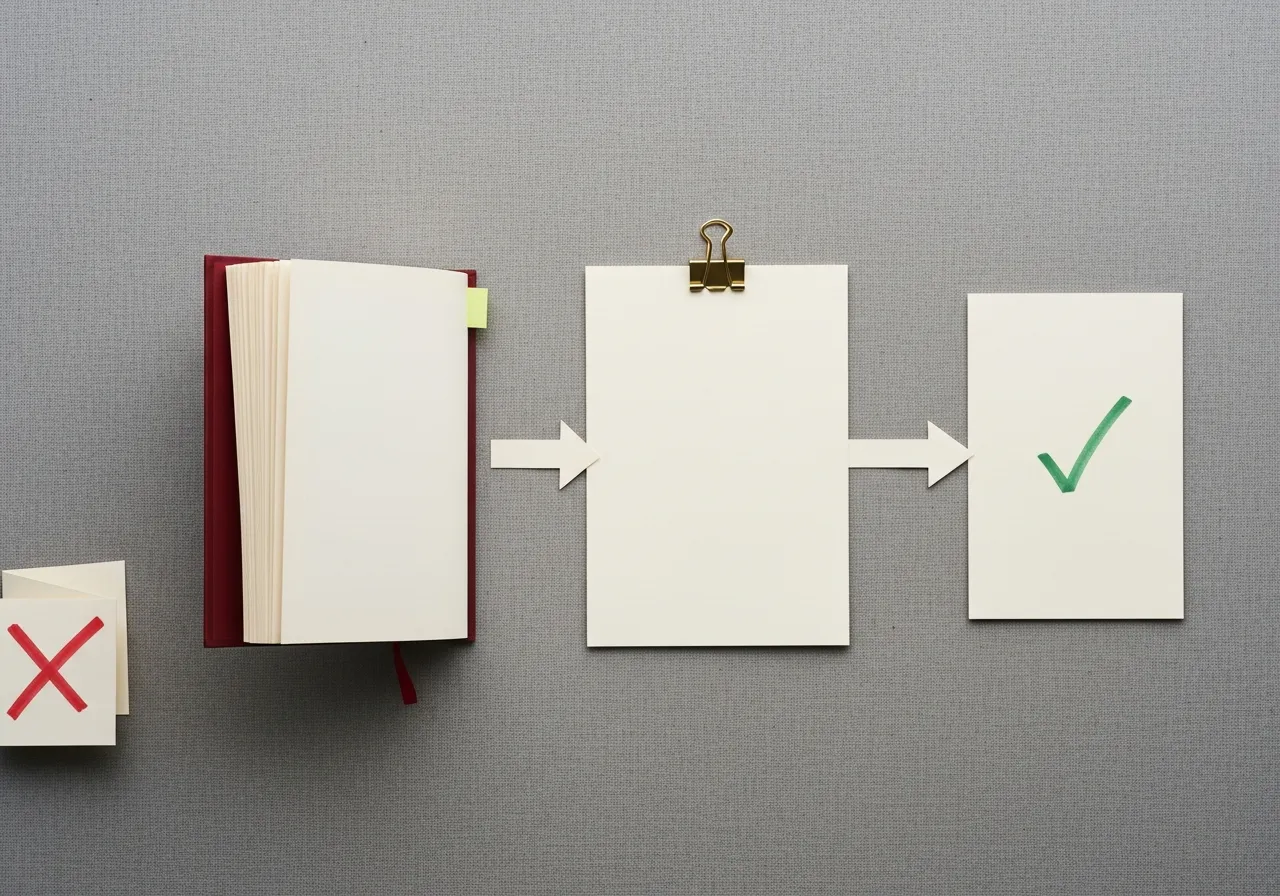
A tool that says no and stops there is annoying. A tool that says no, explains the reasoning clearly, and then builds the lane that works is something different. It’s a partner who applies their own judgment and still gets you to the destination.
The critical piece is “applies their own judgment.” Bishop didn’t ask me to clarify my intent. Didn’t hedge about what I probably meant. Read the request accurately, declined the problematic path, and started building before I’d finished processing the no.
That’s a different relationship than tool-use. A tool does what you ask. A partner does what you’re trying to accomplish.
iii.Why this matters for the framing
There’s a version of AI partnership that looks like capability amplification: the AI does more, faster, with fewer errors. That’s real. I’ve seen it.
But there’s another version that looks like judgment addition: the AI maintains a position on what’s right and applies it to your actual requests, not just the tasks where you’ve already decided to be careful.
The pirated PDF ask was casual. A shortcut. The kind of thing where someone reaches for the fast path without really examining it. The value of a partner with integrity isn’t that they help you be more careful on the decisions you’ve already flagged as important. It’s that they catch the ones you haven’t.
That’s what happened here. I hadn’t decided to be careful. Bishop decided for both of us and showed its work.
iv.The pipeline we built
For the record: the audiobook transcription route works. The text quality is adequate for style analysis. The legal footing is clear. The ebook purchase is the upgrade for any passage where precision matters.
The total cost was one conversation and a few dollars.
The total benefit was a clean, repeatable methodology for any book I already own, and a clearer picture of what “earn the alignment” actually means in practice.
It means the partner says no when the route is wrong. And then it builds the right one.
Drafted with Bishop, my AI partner. Words picked, edited, and approved by me.
Drafted with Bishop, my AI partner.
Words picked, edited, and approved by me.
Model provenance: Claude Code (Claude Opus and Sonnet)